.webp)
Google Ads Match Type Strategy for SMBs: When Broad Match Is Too Broad
Why Small Business PPC Campaigns Need a Deliberate Keyword Strategy
Starting a small business PPC campaign without a clear keyword strategy is like a never-ending game of whack a mole. You think you have the correct keywords, yet you keep getting calls for the wrong type of business or your leads or purchase pages just lead to high bounce rates. Google has given us automation in both ad copy and keyword match type in order to broaden the scope of available searches and clicks, but when is broad just too broad and when should you rein it in?
This, of course, all depends on your budget and your threshold for risk. While some businesses have leeway to spend a bit more on their PPC for learnings, most SMBs with strict budgets must adhere to tighter guardrails in order to keep things running smoothly and profitably. In these instances it is best to start small and refined.
Exact Match: The Right Starting Point for Most SMB Campaigns
Exact Match is Google's most restrictive match type. According to this support article, Exact Match keywords are annotated by brackets and may show on searches that have the same meaning or same intent as the keyword. However, in terms of control, exact match gives you the most.
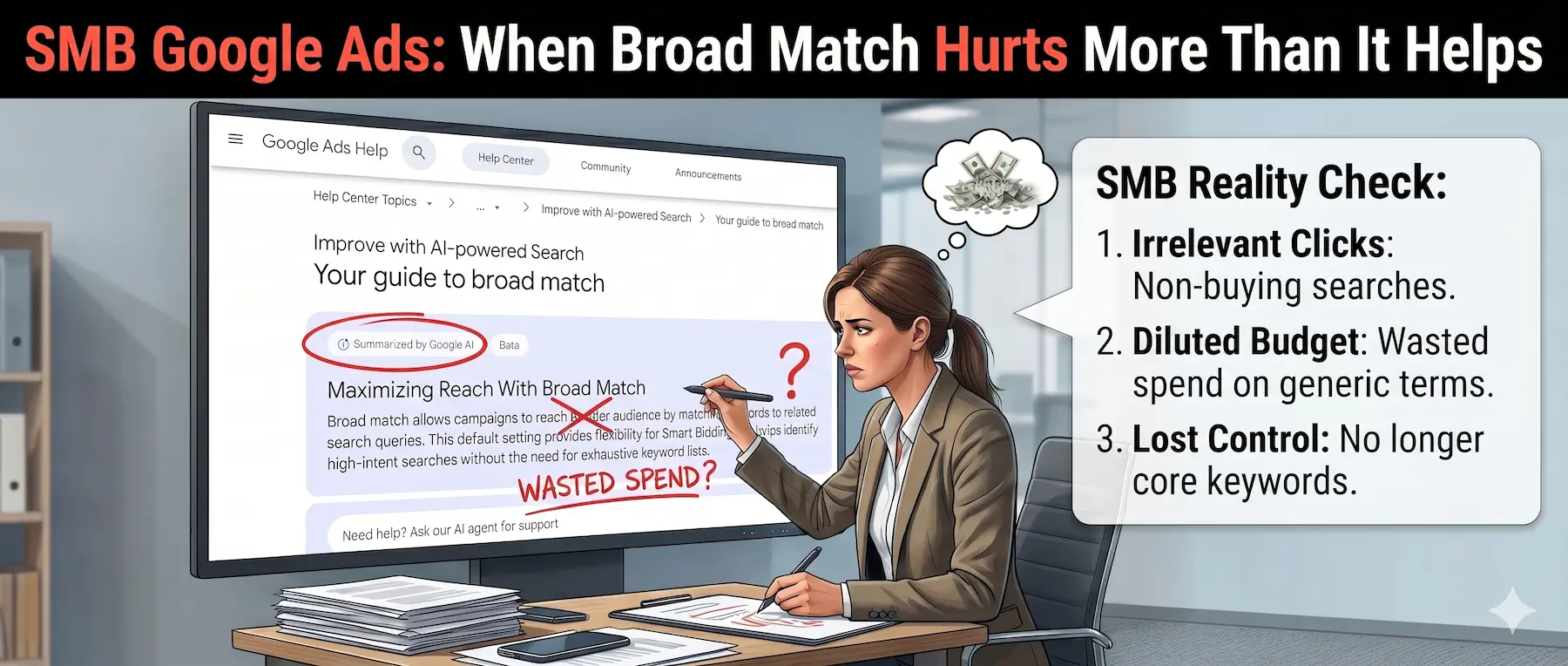
Google indicates that any of their automated bid strategies will work best with broad match. However, if you want to retain the most control, we have found that starting off in exact match with either manual or smart bidding, then testing a couple of broad match keywords once you've found success works best as opposed to starting off incredibly broad and reining in efficiency once the campaign has established itself.
How to Group Keywords for Maximum Relevance
Think of which keywords your ideal customer would be searching for and start with those. You do not need a lot of keywords to start. However, they should be grouped in ad groups by theme. This is so the ad copy and landing page can be the most relevant to the general theme of the ad group. We almost always start off with exact match keywords in these ad groups. An exception would be if all of your exact match keywords fall into low search volume. In this instance, you might want to test a broad or phrase match keyword, but keep an eye on your search terms daily to ensure you are not wasting ad spend on irrelevant keywords.
For more on how to structure a search campaign for a small business account, we've written about this in more depth and I think it's worth reading alongside this post.
Campaign-Level Automation Settings to Avoid When Starting Out
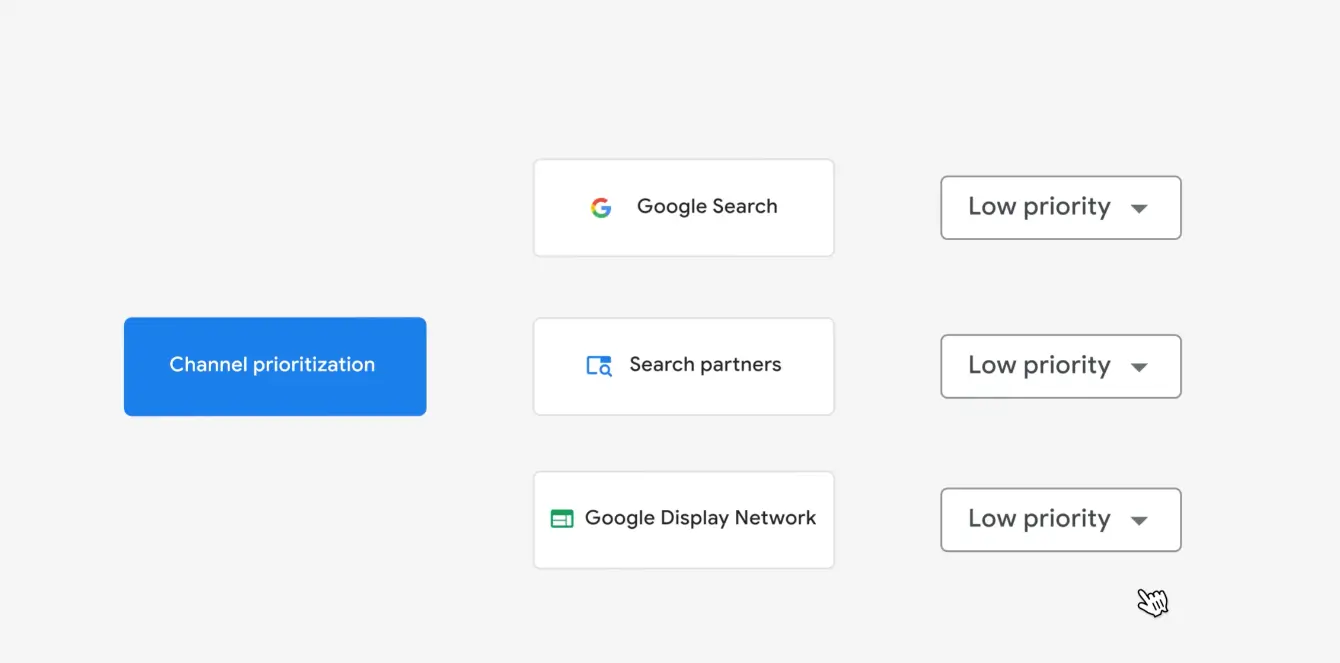
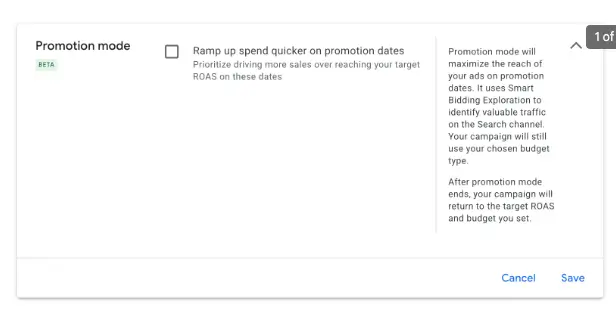
We also recommend easing into any automation that Google offers at the campaign level. Definitely don't start off with AI Max, text customization, or final url expansion enabled.
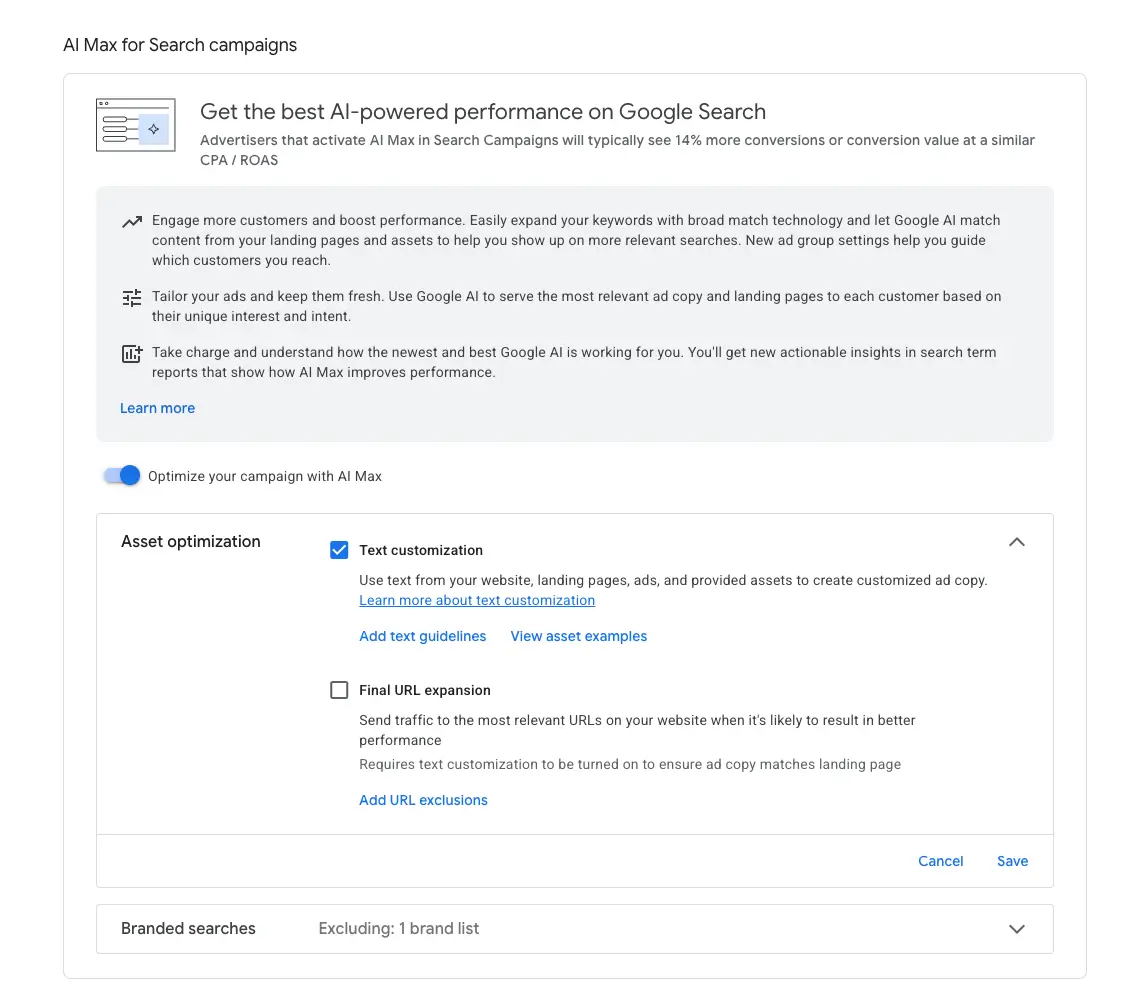
If you're curious about whether AI Max makes sense for your SMB specifically, we've written about that separately, because the answer is more nuanced than a simple yes or no.
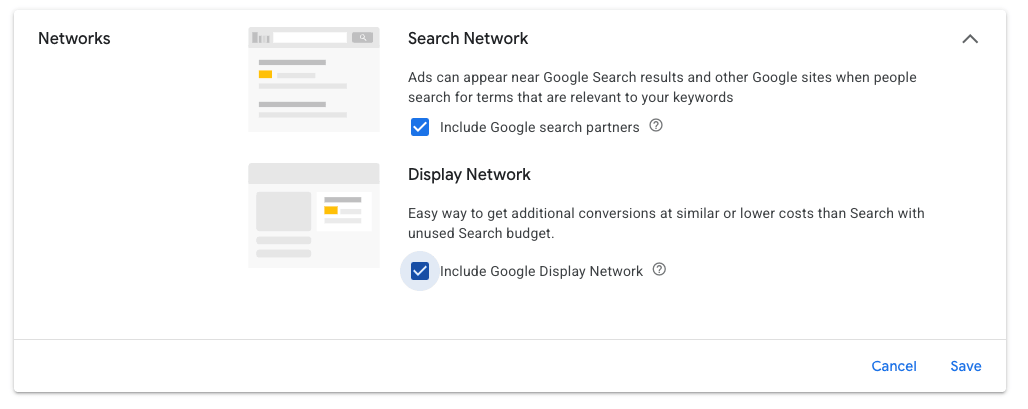
In the same vein, make sure automatically created assets and broad match keywords are turned off at the campaign level as well.

The Bottom Line: Start Tight, Expand Carefully
For SMBs operating with strict PPC budgets, the path to a profitable keyword strategy is one of deliberate control. By starting with Exact Match keywords, you establish a solid foundation of efficiency, ensuring your ad spend is directed towards the most relevant searches. While Google's automation and Broad Match offer potential for scale, it's a strategy best reserved for testing after initial success. For the small business owner, reining in control and expanding gradually, while keeping a close eye on search terms, is the most reliable way to turn an advertising budget into sustainable growth.