.webp)
AI Max for Shopping: A Theory About Where Google Ads Account Structure Is Heading
Google released AI Max for Shopping last month, and if you've been paying attention to how the campaign type landscape has been evolving, your first reaction was probably some version of "wait, don't we already have something that does this?" Because on the surface, having AI Max for Search, AI Max for Shopping, and Performance Max all coexisting in the same account feels like product overlap, and product overlap at Google tends to eventually resolve itself by one thing quietly absorbing another.
I don't think that's what's happening here, though, and I want to lay out a theory that's been forming in my head about what Google is actually building toward on a structural level. I'll say upfront that this is a theory, not a conclusion, and I'm genuinely curious to test it in the coming months and see where it breaks down.
First, before we do anything else though, can I just reiterate what we joked about in the industry when Google first brought the name "Max!" into Performance Max... that this sounds like some big new rolling-diesel quad pickup truck model?? Thus my banner image.... Mkay, back to the regularly scheduled program:
The Three-Layer Account Structure I Think Google Is Building Toward
Here's the framework I'm working with. I think the "ideal" Google Ads ecommerce account structure, at least as Google seems to be conceiving of it right now, looks something like this:
- Demand Gen and YouTube at the top, handling upper funnel awareness across networks, reaching people who don't know your brand or product exists yet and planting the seed that eventually makes everything downstream more efficient.
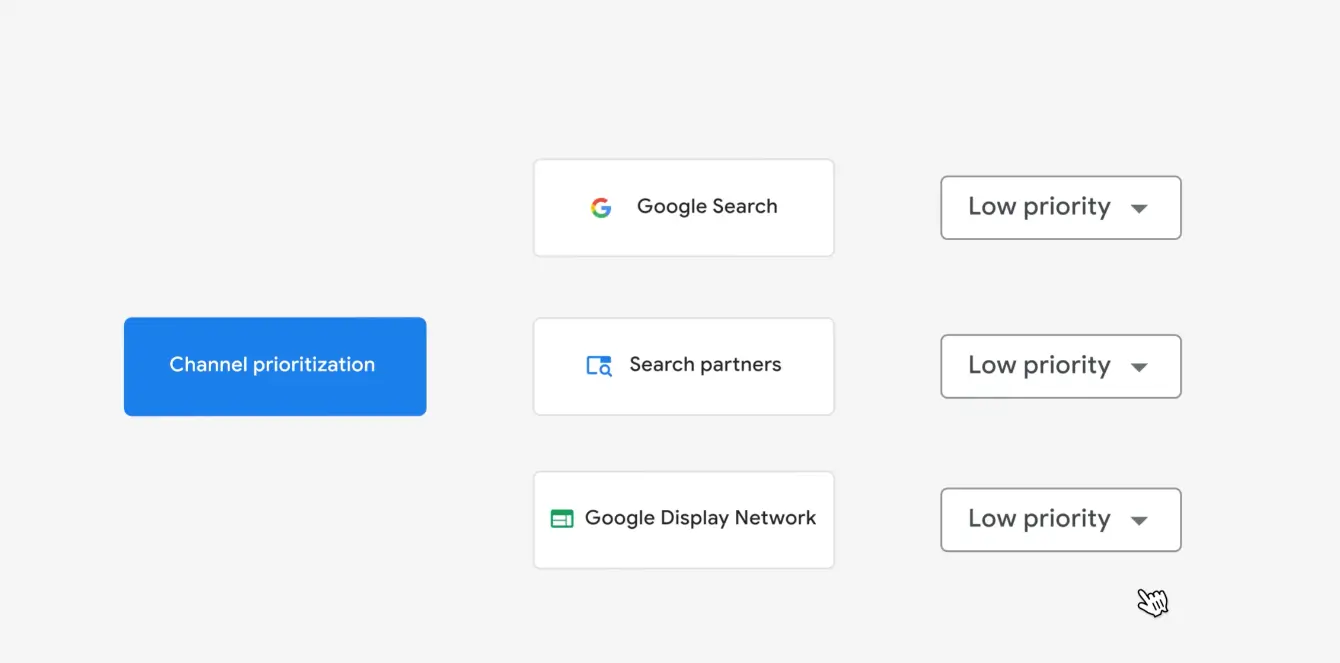
- AI Max for Search and Shopping in the middle, capturing existing demand from high-intent searchers, people who are actively looking for something in your category but haven't necessarily decided on you specifically. The "search" framing matters here because these are people who typed something with intent, even if that intent isn't perfectly aligned with your products yet.
- Performance Max at the bottom, fully cross-network, and specifically optimized for the lowest funnel activity, which in practice means remarketing, brand queries, and people who are essentially already decided and just need a nudge.
What I find interesting about this framing is that it reframes the role of PMax in a way that I think is actually more aligned with what PMax has always been best at. We've spent years trying to control PMax's tendency to spend heavily on brand and remarketing traffic, treating it as a leak to be plugged rather than a feature to be leveraged. The endless hacks, the brand exclusions, the campaign priority structures designed to limit where PMax would roam, a lot of that was us fighting the algorithm's natural gravitational pull toward the lowest-hanging fruit.
My belief is that Google is beginning to accept what practitioners have observed for a while: PMax is genuinely good at hoovering up bottom funnel demand efficiently when it's allowed to do so, and the reason it sometimes disappoints at the mid and upper funnel is that it was never really designed for that, even if it was positioned that way. AI Max for Search and Shopping seems to be Google's answer to the mid-funnel problem that PMax was never quite equipped to solve cleanly.
If that's right, then the introduction of AI Max for Shopping isn't redundant with PMax at all. It fills a structural gap that PMax was always awkwardly trying to cover, which is why the whole ecosystem makes more sense as three distinct things doing three distinct jobs rather than one thing doing everything imperfectly.
What This Means for How You're Running Campaigns Right Now
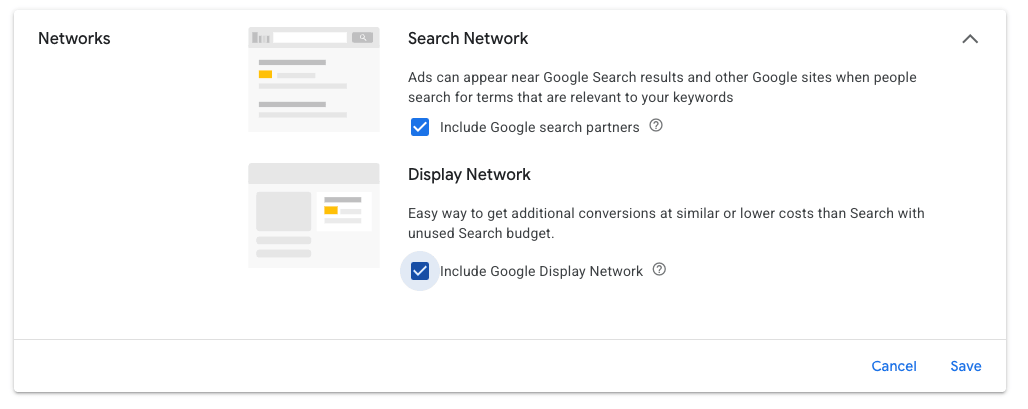
At ZATO, we've been running something that loosely resembles this structure for a while already, using dedicated Search and Shopping campaigns to capture mid-funnel demand rather than relying on PMax to handle it, and at times deliberately not excluding brand from PMax because the data suggested PMax was actually efficient there (and more successful at capturing more brand share, efficiently, in our tests!) and fighting it wasn't producing better outcomes. I've written about that elsewhere (Should You Always Exclude Brand from Performance Max Campaigns? It's Complicated), and the short version is that the conventional wisdom about always excluding brand from PMax is more contextual than most people treat it.
What AI Max for Shopping potentially does is give us a cleaner, Google-native way to handle the mid-funnel layer that we were previously building out manually through traditional campaign structures. Whether it actually delivers on that promise in practice is something I want to see data on before I have strong opinions, and I'm genuinely curious what comes out of Google Marketing Live on this front.
The bigger shift in thinking, if this framework holds up, is the one about PMax. Rather than spending energy on structural hacks to limit PMax's natural behavior, the focus shifts to letting it operate efficiently in the bottom funnel it's gravitating toward anyway, and building a deliberate upper and mid funnel structure around it. Let it have the brand traffic. Let it have the remarketing. Let it have the lower funnel users who are already warm. And then use the other campaign types to make sure new demand is being captured and nurtured at the stages where PMax was never really the right tool.
I think this is a more coherent account architecture than the ones most ecommerce advertisers are running today, and I think Google is trying to build toward it even if the messaging around it is still a bit fuzzy. For more on how we think about Google Shopping campaign strategy and campaign structure more broadly, there's quite a bit on the blog that gets into the specifics of how these pieces fit together in practice.
The fully acknowledged, and stated... more than once... caveat to all of this is that it's a theory, held at a moment when the product is still new and the data isn't fully in yet. I'm curious to be told where I'm wrong, because the places where this framework breaks down are probably the most useful things to understand before acting on it too confidently.


.jpeg)