icon-dropdown-arrow
top
🎉 SAVE 50% NOW: The Google Ads Course Built for DTC Brand Operators - Learn more
icon-cross
Category

AI Max for Shopping

Google's AI Max for Shopping is a direct response to something the industry has been watching for a while: shoppers increasingly don't search the way Shopping campaigns were built to serve. A query like "best comfortable loungewear that holds up after washing" doesn't match cleanly to a product title, but it absolutely represents a buyer with intent, and AI Max for Shopping is Google's attempt to bridge that gap. The product builds on your existing Merchant Center feed, pulling in the kind of product detail (materials, fit, durability, and similar attributes) that gives the algorithm enough context to generate relevant ad copy and match your products to conversational, discovery-phase queries that traditional Shopping campaigns would miss entirely. It adds text customization for Shopping ads, Final URL Expansion to route shoppers to your most relevant landing pages, and automatic format selection between text and Shopping depending on what the query actually calls for. It sits in a different structural position than Performance Max, which remains the cross-channel option for broader campaign goals. AI Max for Shopping is more narrowly focused on the search layer, and specifically on capturing demand that's real but wasn't previously addressable through standard Shopping mechanics. We're tracking this closely as it rolls out and as we begin testing it in accounts. The posts below represent our thinking as we learn what it actually does in practice, because there's usually a meaningful gap between what a product announcement describes and what shows up in the data.

From the ZATO Blog

How ZATO Thinks About AI in PPC: A Three-Part Framework

How ZATO Thinks About AI in PPC: A Three-Part Framework

Kirk Williams
Team Zato
 • 
AI in PPC
Platform AI, 3rd party AI for guiding, and 3rd party AI for admin. Here’s the framework ZATO uses to think about where AI belongs in PPC and where it doesn’t.
Why ZATO Is Doubling Down on Humans While Everyone Else Automates

Why ZATO Is Doubling Down on Humans While Everyone Else Automates

Kirk Williams
Team Zato
 • 
Zato News
While other agencies build AI agents, ZATO just created a new internal role dedicated entirely to conversion tracking and data health. Here’s why, and what it means for clients.
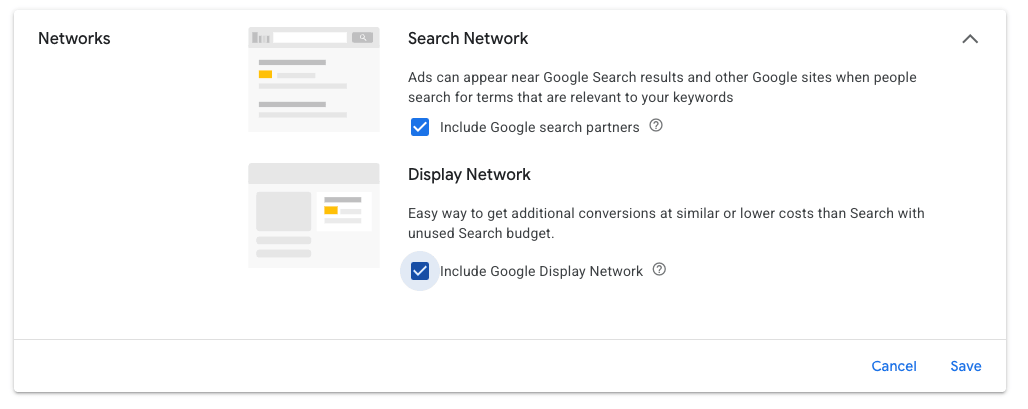
Google Ads Display Network Budget Change: What to Do Before February 2027

Google Ads Display Network Budget Change: What to Do Before February 2027

Diana Talhelm
Team Zato
 • 
Google Display Network
Google is retiring automatic Search-over-Display budget prioritization in February 2027. Here’s what’s changing, how to check if your campaigns are affected, and what to do about it.
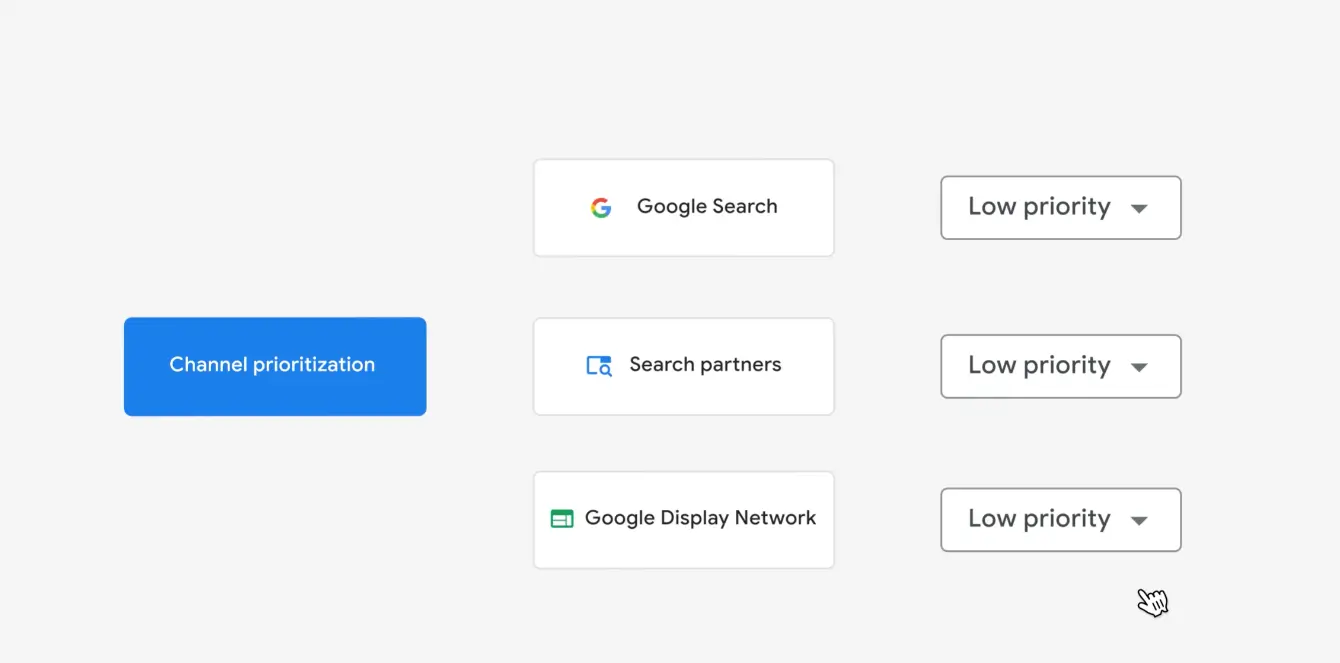
Google Ads Channel Prioritization and Budget Allocation: What to Know

Google Ads Channel Prioritization and Budget Allocation: What to Know

Diana Talhelm
Team Zato
 • 
Performance Max
Google is adding Channel Prioritization and Budget Allocation controls across Search, Shopping, PMax, and Demand Gen. Here’s what they do and when you’d actually use them.
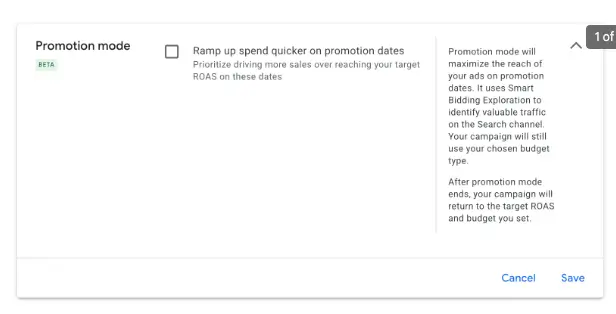
How to Use Google’s Promotion Mode for Maximum BFCM Visibility

How to Use Google’s Promotion Mode for Maximum BFCM Visibility

Sarah Vlietstra
Team Zato
 • 
Campaign Settings
Google’s new Promotion Mode helps advertisers capture peak BFCM demand by temporarily loosening Target ROAS.
The Inherent Risk of Google Ads Audits (and AI "Claudits")

The Inherent Risk of Google Ads Audits (and AI "Claudits")

Kirk Williams
Team Zato
 • 
AI in PPC
Third-party agencies and AI share the exact same risk when auditing Google Ads: a lack of business context. Here's why blindly following "best practices" might actually hurt your account.
loader

Find what you're looking for here: