.webp)
Here's my AI PPC pondering of the week: I see a risk of over-optimizing with AI in a way that stifles targeting/demand or makes it hard to determine the impact of changes. This doesn't mean you shouldn't use agents, but SHOULD consider how you're building, here's what I mean:
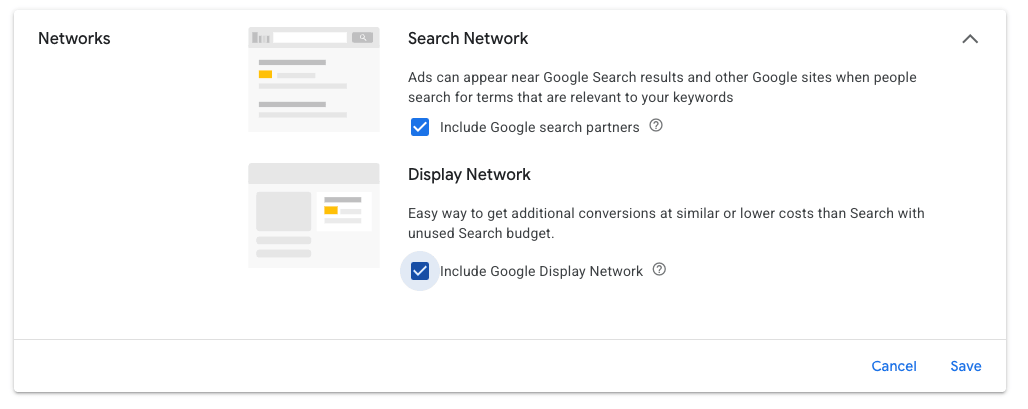
Your account is spending $25K/mo. Your Claudgent (I made that word up too, lulz) decides to remove Search Partners and suggests it. You approve. It also suggested adjusting a TROAS target and adding a few negatives (you know, normal stuff).
So my question is: did the Search Partners change actually impact the business in a positive or negative way? Btw, I'm not just talking attributed sales... I'm talking incremental. Did the business itself, across all channels over time, see a net positive or negative impact over the next month?
Before answering, also check out what your Claudgent changed over that same month... gosh, there might be 45 (or 450) other changes occurring too. So how do you have any confidence a performance shift can be attributed to removing Search Partners?
"But Kirk, this is a risk with human managers too!"
100%, absolutely, but I'd argue it's MORE of a risk because humans have limits, and Claudgents never stop working. They just keep suggesting change after change after change.
SO my suggestion is to build your Claudgent with this in mind... how can you ensure you are feeding in data so it monitors its own work with "did this actually work?"
One thought is having your Claudgent constantly monitor and surface correlations (keeping it at an observational level) so you track shifts over time (esp by feeding in gross revenue/sales, not just Google Ads conversions). But this remains a real challenge with an endlessly suggesting agent, especially in smaller accounts.
So IDK, my main takeaway: we're not building Claudgents for busywork, we're building them to materially improve performance. That probably means ensuring the agent slows down suggested changes until it has confidence it can determine if they're beneficial. Because it will never stop suggesting changes... those are endless. WHEN and WHICH changes to make make all the difference, especially in a PPC world where "best practices" rarely apply universally. (So endlessly question your Claudgent logic based on actual internal performance).
CAVEAT: I'm sure some people are already building causal inference engines (if that's you, you already know all this!)... but a LOT aren't. A LOT of people are building simple trigger-action scripts. Make sure you think in terms of ability to measure performance, rather than chasing the dopamine hit of "doing" something. That was the old human PPCer trap as well, BTW, and a habit many older PPCers had to purposefully break ("doing more things = more account success") when ironically, sometimes in PPC the best thing you can do is STOP doing more stuff. AI by default struggles to stop doing things, so guard against that.
Anyway them's my Friday PPC AI ponderings!


.jpeg)